
Visa vs Mastercard: what is the difference?
Published on: 26th July 2026
When you're looking for a new credit card, you'll often come across two standout names: Visa and Mastercard. But what's the real difference between them, and does it matter which one you pick? The short answer: for most UK users, not much. But there are some key nuances worth understanding, especially if you're choosing a business card or planning to spend abroad.
What are Visa and Mastercard?
Here's the first thing to clarify: Visa and Mastercard aren't banks or card issuers. They're payment networks. Think of them as the infrastructure that sits behind your card. When you swipe or tap your card, Visa or Mastercard handles the transaction between you, your bank, and the merchant's bank.
This is an important distinction because it means your experience depends partly on the card itself (which your bank issues) and partly on the network running it. Your bank decides the interest rates, fees, and rewards. Visa and Mastercard decide acceptance, exchange rates, and the security standards they enforce.
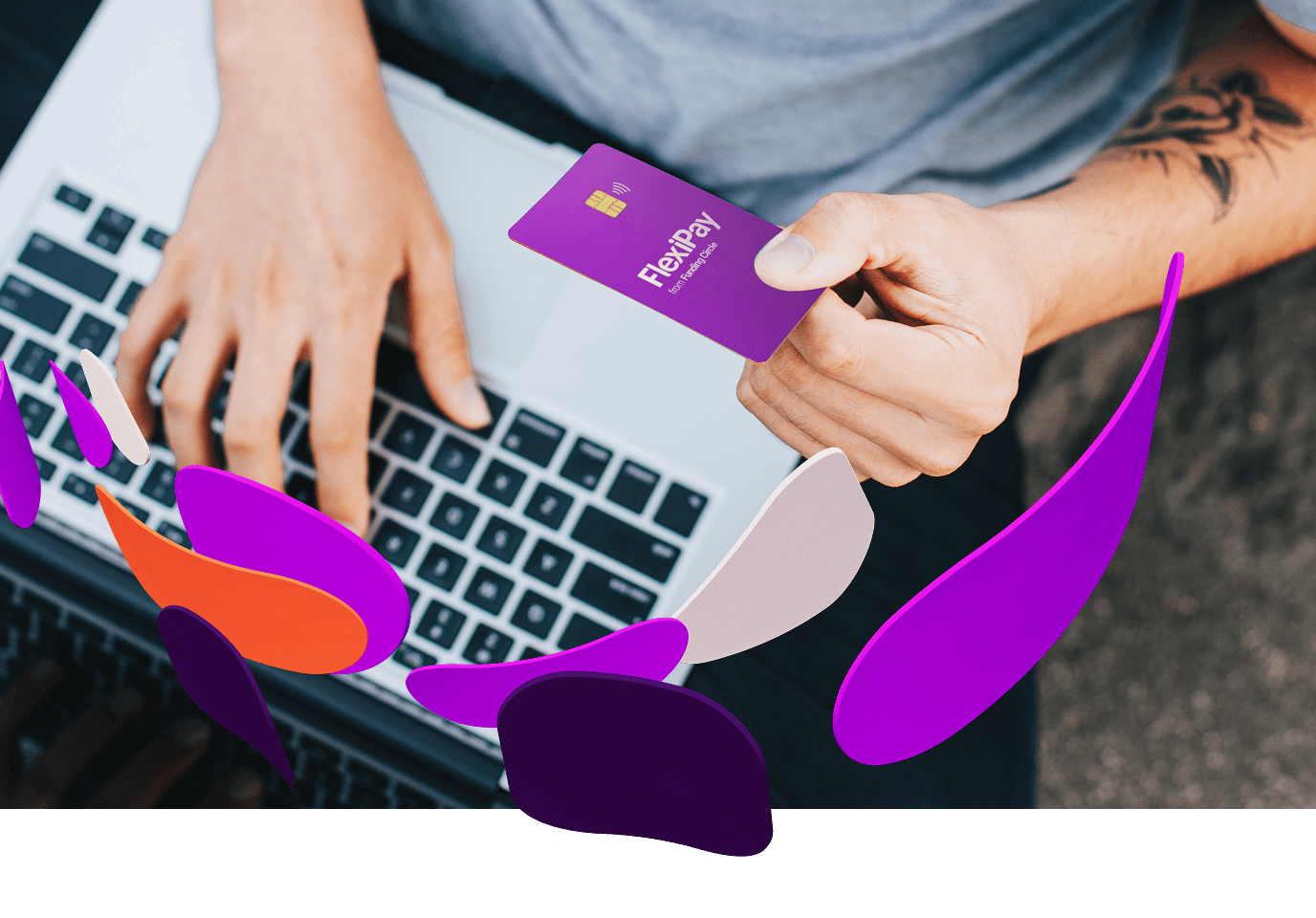
Banks can choose which network to partner with. Some offer both – you might have a Mastercard from one account and a Visa from another. Others specialise in one network. For instance, the Funding Circle Cashback Card runs on Visa and is accepted anywhere Visa is accepted worldwide.
Key differences between Visa and Mastercard
The practical differences are surprisingly small for UK users. Both networks operate in virtually every country, both offer fraud protection, and both have similar security standards. But there are a few key distinctions worth noting.
Global acceptance
Visa has a slight edge in global reach. It's accepted in more countries overall and often has a deeper network in certain regions like the United States and Asia. Mastercard is accepted nearly everywhere too, but you might find a handful of places (particularly remote areas or smaller merchants) that take Visa but not Mastercard.
In the UK and Europe, this difference is negligible as both networks are equally widespread. But if you're a regular traveller to less developed markets, Visa's slightly broader acceptance can be reassuring.
Exchange rates and foreign transaction fees
This is where things get a little more detailed. When you spend abroad, the exchange rate applied to your transaction isn't set by Visa or Mastercard themselves, it's set by your bank. However, Visa and Mastercard do set their own interchange rates (the fee banks pay to process the transaction), and these can differ slightly.
When you spend abroad, the exchange rate applied to your transaction is set by your bank, not the network. What matters more is your specific card's foreign transaction fees. Check your card's terms rather than assuming one network is cheaper than the other.
Card benefits and protections
Both Visa and Mastercard offer purchase protection, fraudulent transaction protection, and travel insurance on premium cards. The specifics vary by card and issuer, not by network. A basic Visa card might have less protection than a premium Mastercard, or vice versa. What matters is reading the terms of your specific card, not the network it runs on.
Visa vs Mastercard for business cards
If you're choosing a business credit card, the network matters slightly more than for personal cards. Here's why: some business suppliers or international vendors have preferences or exclusive deals with one network or the other.
For example, if your business makes regular purchases from US-based suppliers, a Visa card might give you better acceptance and clearer dispute resolution. If you're trading heavily with European companies, either network works equally well.
Most business cards from major UK banks come in either Visa or Mastercard, rarely both. When comparing options, check which businesses you're likely to spend with most frequently. For a wider comparison of business card options, best business credit cards covers the top picks for UK small businesses and includes details on which networks each card operates on.
The Funding Circle Cashback Card, for instance, offers 2% cashback for the first 6 months (up to £2,000 spent), then 1% uncapped, and runs on the Visa network with no annual fee. It's accepted wherever Visa is accepted, which covers the vast majority of UK retailers and many international merchants.
Does it matter which one you choose?
For most people, the answer is no. Choose based on the card's features (interest rates, fees, rewards) rather than whether it's Visa or Mastercard. Both networks are secure, widely accepted in the UK, and offer similar fraud protection.
The only exception is if you have a specific reason: you spend heavily abroad in a region where one network has better coverage, or your business needs cards accepted in a particular country or type of merchant. Even then, the differences are usually small.
FAQs
Is Visa or Mastercard more widely accepted?
In the UK, they're equally widespread. Globally, Visa has a slight edge, particularly in the US and parts of Asia. However, Mastercard is accepted in virtually every country where Visa is, so this rarely matters in practice.
Which is better for travelling abroad: Visa or Mastercard?
Neither has a clear advantage for most travellers. What matters more is your bank's foreign exchange rates and transaction fees. Check your specific card's terms rather than relying on the network name.
Does the Funding Circle Cashback Card use Visa or Mastercard?
The Funding Circle Cashback Card runs on Visa and is accepted wherever Visa cards are accepted. It offers no annual fee, no foreign exchange fees, and up to 42 days interest-free on purchases.
Related reading:
Disclaimer
26/07/2026 – While we want to help as much as we can, the information found here is provided solely for informational purposes and should not be considered financial or legal advice. To the extent permitted by law, Funding Circle does not accept any liability for any loss or damage which may arise directly or indirectly from the use of, or reliance on, the information contained here. If you have any questions, please speak to your professional adviser or seek independent legal advice.
Learn more about our business loans and business credit card products
