
How Business Cashback Credit Cards Work
Published on: 2nd July 2026
If you’re spending money from your business, it makes sense to want to earn some back when you can. A business cashback credit card pays back a small percentage of what you spend on eligible purchases, usually as a credit on your monthly statement. So, if your business already puts regular costs on a card, that money is effectively a discount on spending you were going to make anyway.
But, it’s worth remembering not all cashback credit cards work the same, and some credit card fees and charges can cut into your earnings. Especially if you let a balance carry over and have to start paying interest. When you’re looking at business cashback cards, it’s worth looking beyond the headline cashback rate to get the most return for your cash flow.
This guide walks through how cashback works, what affects its value, and what to look for when you choose.
What is a business cashback credit card?
A business cashback credit card is a credit card issued to a company rather than an individual, which rewards you with a percentage of your spending back. That means that when you use it for everyday business costs (paying suppliers, travelling, software costs, buying stock, topping up on fuel etc.), a slice of that spend comes back to you.
Other than that, it works like a standard business credit card. You have a credit limit, a statement period, and repayment date for whatever you owe. The cashback simply sits on top, helping you get more of your regular spending.
Who is a business cashback credit card useful for?
Cashback cards are most useful if you’re an established business with predictable spending. That’s because if your company runs most of its spending through one card each month, the rewards add up. If you don’t use the card very often, you don’t get as much value from it.
How cashback works for businesses
Three things determine what you actually earn:
Rate. Cashback is normally shown as a percentage of your eligible spending, for example 1% or 2%. Some cards pay a single flat rate on everything. Others pay more on certain types of spending and less on the rest.
How it's paid. Most cards credit your earnings to the account automatically, often monthly, so it reduces your balance. A few use points or vouchers instead, which are less flexible than money back.
Caps and conditions. Some cards cap how much cashback you can earn in a period, or pay a higher introductory rate that drops after a few months. Always read the terms so you know which rate applies and for how long.
Rates, caps and conditions vary between providers and can change, so it's worth checking the current terms of any card directly before you apply.
How much cashback can a business earn?
The honest answer is: it depends entirely on how much you spend and at what rate. A worked example makes it clearer.
Say a business spends £2500 through its card each month. At a flat 1% cashback rate, that would be £25 off your balance. Double the rate to 2% and, all else equal, the return doubles too, to £50. The more of your genuine business costs you channel through the card, the more you earn back.
It's an illustration rather than a quote, because the figure that matters is your own spend.
To estimate how much you could save, take your typical monthly business card spend, multiply by the cashback rate, then by twelve. That gives a rough annual figure before any fees or caps.
What affects whether cashback is worth it
A headline rate doesn’t tell you much. Two big factors decide whether a cashback card actually leaves you better off.
How they handle interest
Most business credit cards include an interest-free grace period: a window between when you make a purchase and when payment is due, during which you don’t get charged interest.
Depending on the card, this can run up to around 40 to 56 days, though the exact length varies (so check the specific terms).
This is the bit that matters.
If you pay your statement in full by the due date, you use the card interest-free and keep all your cashback.
If you carry a balance past the due date, interest starts to build up, and because card interest rates are typically higher than cashback rates, the interest can wipe out your rewards several times over.
It's important to be clear about what a grace period is and isn't. It is a standard interest-free window on purchases you pay off in time. It is not the same as a 0% introductory APR or a 0% balance-transfer offer, which are separate features that some other cards advertise. A grace period only works for you if you clear your balance each month.
Annual fees, caps and eligible-spend exclusions
The other check on value comes from costs and excluded spending types:
Fees: Some cards charge an annual or monthly fee. If the fee is high relative to your likely cashback, the net benefit shrinks, so weigh the two together rather than looking at the rate alone.
Caps: A cap limits how much cashback you can earn, so a generous-looking rate may matter less if you hit the ceiling early. Higher spenders feel caps most.
Exclusions. Not every transaction earns cashback. Cash withdrawals and certain transaction types are often excluded, and spending abroad can attract foreign exchange (FX) fees that eat into the value of any rewards.
As with rates, these terms differ from one provider to the next and change over time, so confirm the current details with the card provider before deciding.
What to look for in a cashback card
Once you know cashback only pays when the card is cleared each month, choosing between cards comes down to a few practical checks.
Combined rate and caps
Look at the rate and the cap together, not separately.
A high introductory rate that drops sharply, or a low cap you'll quickly go over, can be worth less than a steady uncapped rate.
If your business spends heavily, an uncapped rate usually serves you better, because your earnings keep growing with your spend.
If you also want a card that doesn't charge an annual fee or FX fees, factor those in, since they affect the real return as much as the headline rate does.
Eligibility
Cashback cards for established businesses have eligibility requirements, and it's worth knowing whether you qualify before you apply.
As a guide, Funding Circle's card is available to incorporated UK businesses (limited companies) that have been trading for at least 1 year with an annual turnover of at least £30,000.
If your business is incorporated and established, you're the kind of customer these products are built for. With Funding Circle, only limited companies can apply without affecting their credit score.
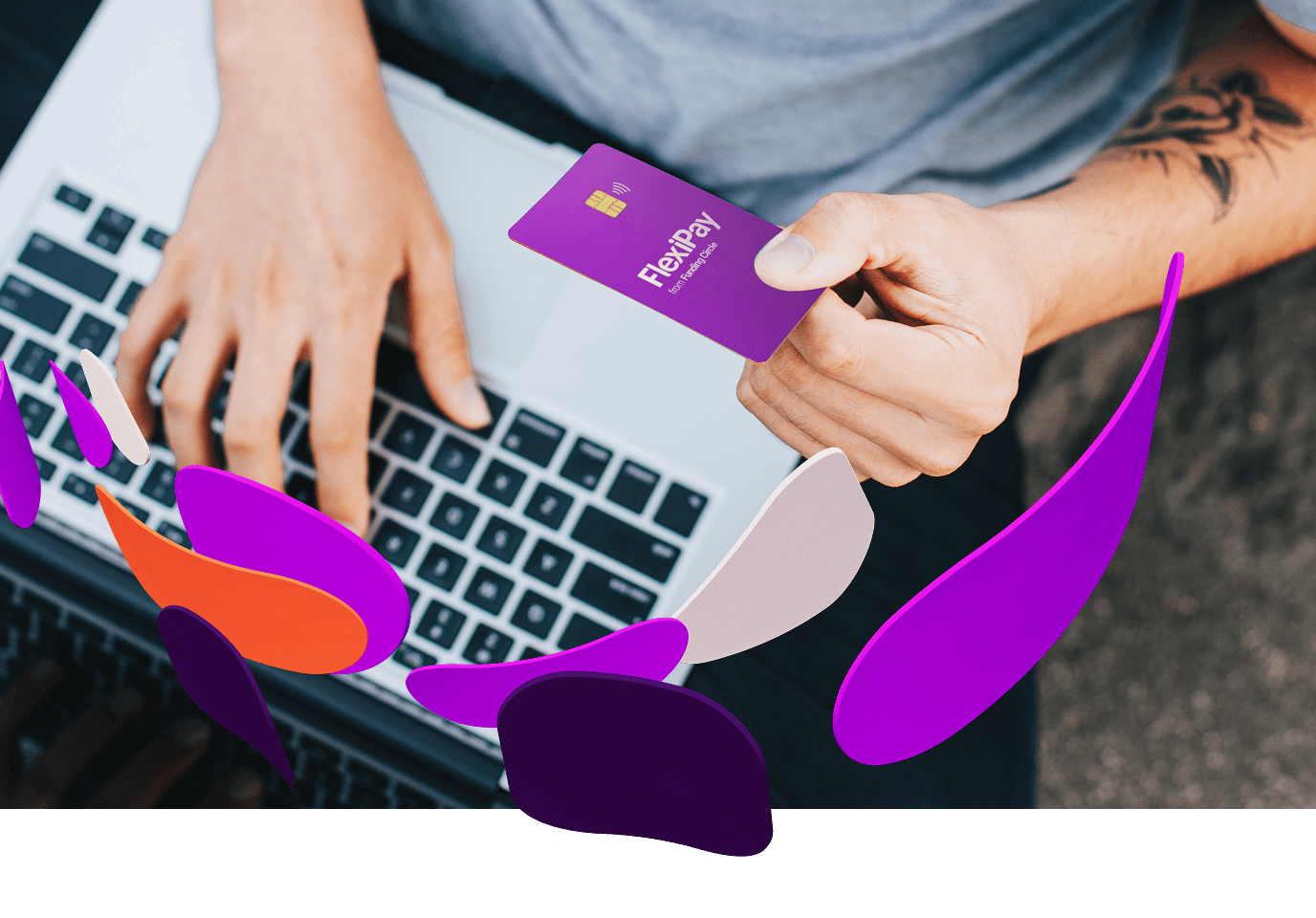
Funding Circle's Cashback business credit card
The Funding Circle Cashback business credit card is designed to help UK SMEs get more out of their business spending. We’ve kept it easy to apply, simple to understand and rewarding to use.
Get 2% cashback for the first 6 months (up to £2,000 cashback, whichever comes first), then 1% uncapped cashback on everything you spend after that.
No annual fees and no foreign exchange fees, so you can use it anywhere.
Get up to 42 days interest-free on purchases when you clear your balance in tim
Credit limit of up to £250,000
Free unlimited Company cards for your team
Sync the card with Sage, Xero or FreeAgent for connected accounting
You can learn more about the Funding Circle cashback card and apply right here.
Business cashback credit card FAQs
Is business cashback taxable?
Cashback earned on business spending is generally treated as a reduction in the cost of your purchases rather than as taxable income, which usually means it isn't taxed separately.
Tax treatment can depend on your circumstances and how the cashback is structured, though, so check with your accountant or a qualified tax adviser before relying on this.
Does cashback have a cap?
It depends on the card. Some cards cap the total cashback you can earn over a period or within certain categories, while others don’t put a limit on what you can get back. If you’re a regular, high spender, it’s worth checking the terms. In some scenarios, a lower rate without a cap can result in higher returns.
Can I earn cashback on employee card spend?
In most cases, yes. Where a card offers additional or company cards for your team, spending on those cards typically earns cashback that credits back to the main business account. Check the specific card's terms to confirm how additional card spend is treated and whether any limits apply.
02/07/26: While we want to help as much as we can, the information found here is provided solely for informational purposes and should not be considered financial, tax or legal advice. To the extent permitted by law, Funding Circle does not accept any liability for any loss or damage which may arise directly or indirectly from the use of, or reliance on, the information contained here. If you have any questions, please speak to your professional adviser or seek independent legal advice.
Learn more about our business loans and business credit card products
